
Frontier Airlines Introduces First-Class Seats To Attract Travelers
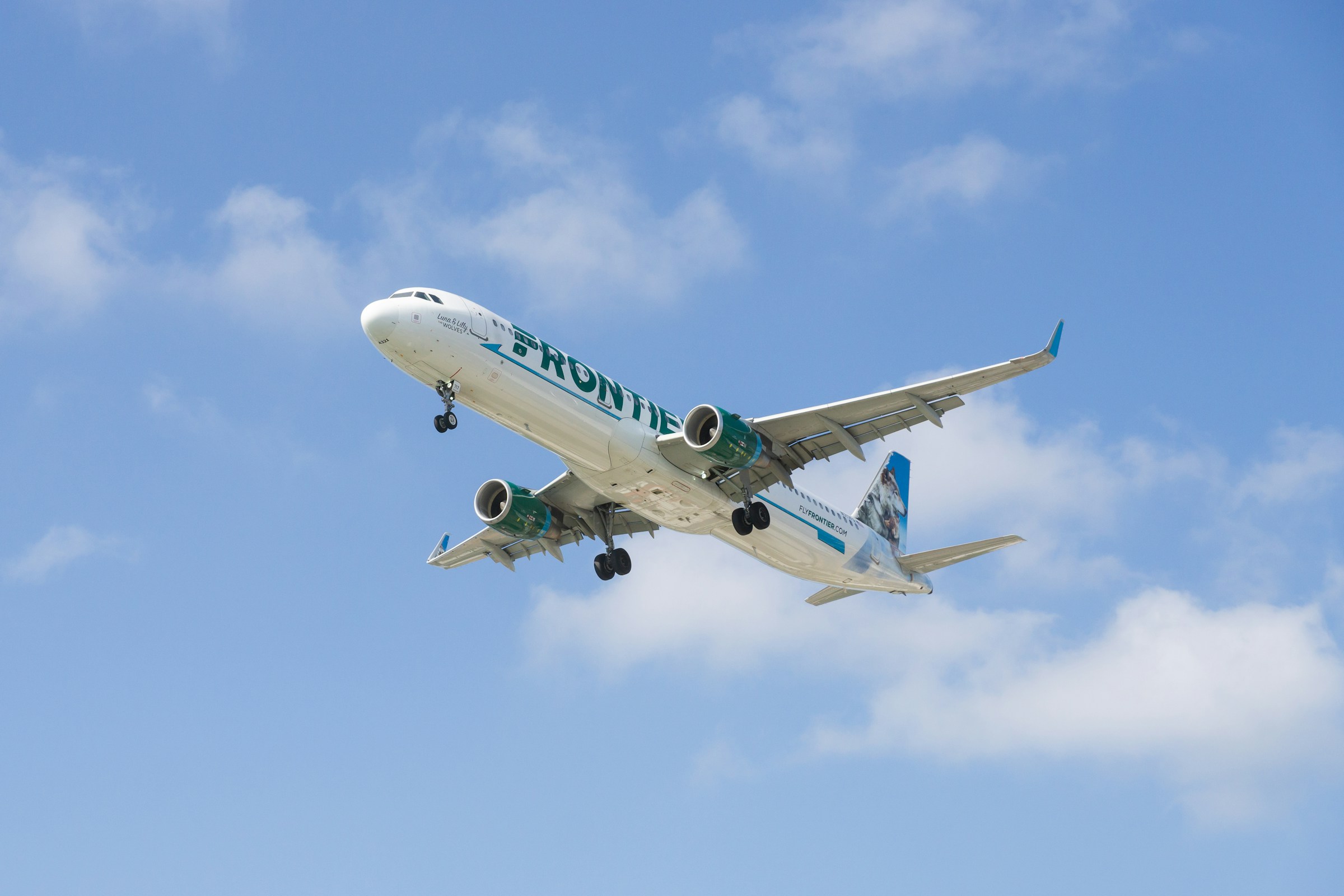
Frontier Airlines, renowned for its budget-friendly fares and numerous add-on fees, is shifting gears to capture a share of the affluent traveller market. The discount carrier announced plans to introduce first-class seating on its flights, aligning with a broader industry trend of low-cost airlines offering premium options.
To accommodate the new first-class seats, Frontier will remove the first two rows of its existing three-by-three economy layout and retrofit the front of the aircraft with more spacious two-by-two seating arrangements. These enhanced seats are scheduled to be available to passengers by late 2025. In addition to upgraded seating, Frontier is revamping its loyalty program. Customers will soon be able to redeem miles for benefits such as waived baggage fees and seat upgrades. Moreover, gold-tier members and above will receive complimentary seat upgrades, while platinum and diamond-tier members will be awarded free companion tickets.
Frontier CEO Barry Biffle emphasized the company's commitment to meeting customer demands for more premium offerings. "We've listened to customers, and they want more—more premium options, like first class seating, attainable seat upgrades, more free travel for their companions, and the ability to use miles on more than just airfare," Biffle stated in a press release.
These initiatives follow a significant restructuring of Frontier’s pricing model earlier this year, which introduced four distinct booking tiers ranging from basic to business class. The airline also eliminated change and cancellation fees for three of these tiers, enhancing flexibility for travelers.
Frontier's move mirrors similar strategies by other low-cost carriers aiming to attract "revenge-spending" passengers who are willing to pay extra for enhanced travel experiences. For instance, Spirit Airlines has reserved the middle seat for customers traveling within Europe, and Southwest Airlines has expanded legroom while simplifying its seat selection process.
Despite record travel numbers in 2024, low-cost airlines like Frontier have struggled with profitability. Spirit Airlines filed for Chapter 11 bankruptcy in November due to rising fuel prices and labor costs, which have eroded profit margins across the sector. Frontier, while facing its own financial challenges, projects that its premiumization efforts will generate $250 million in revenue by 2026 and exceed $500 million by 2028.
However, this strategy carries risks. As low-cost carriers introduce better amenities and higher fares, they may lose their reputation for affordability, potentially alienating their core customer base. Balancing enhanced offerings with competitive pricing will be crucial for Frontier’s success in this evolving market.