
Custom Flood Barriers for a Rising-Risk World
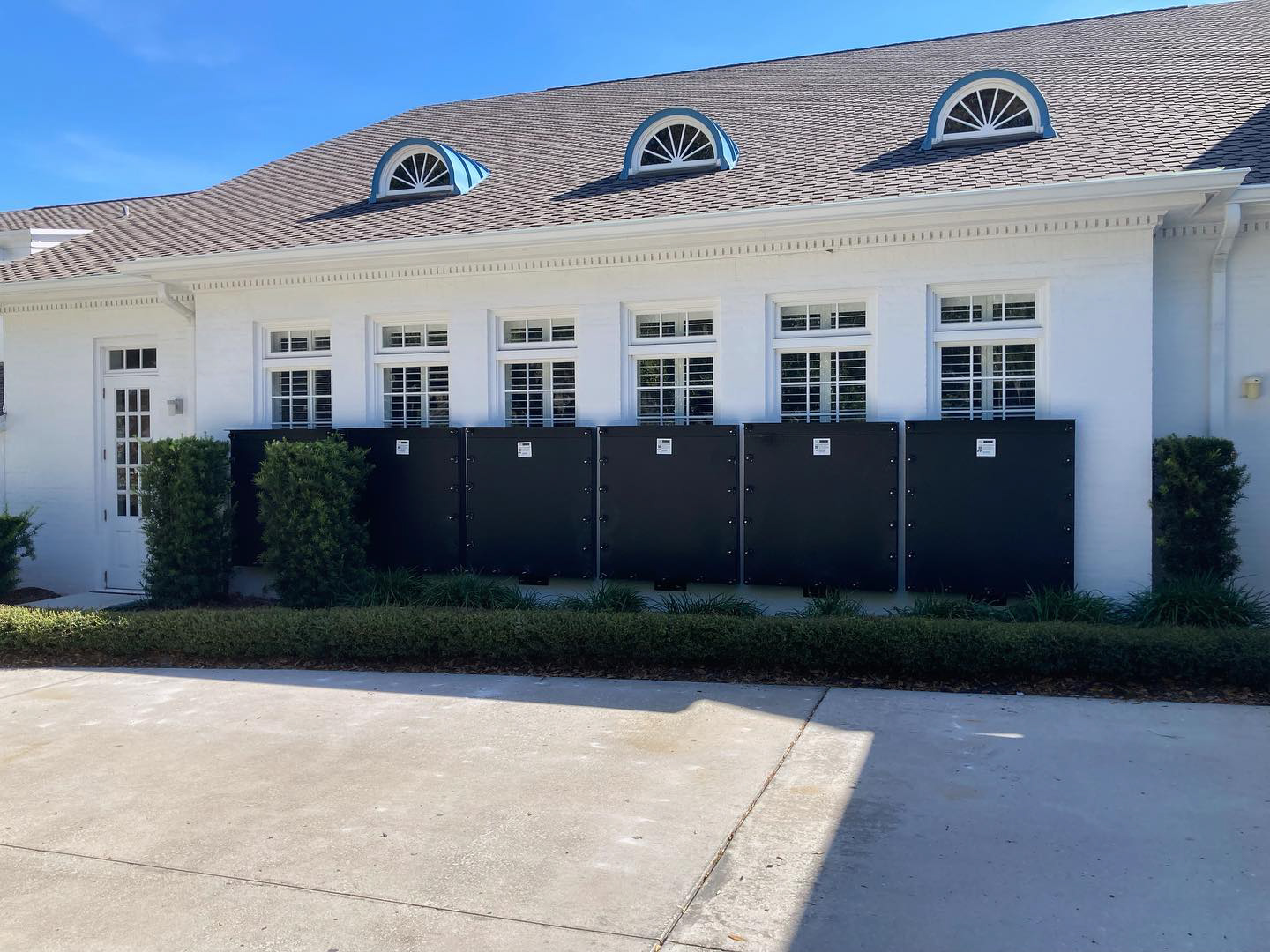
Flood protection often becomes urgent only when water is already on the way. Sandbags are filled, wooden boards are fixed into place, heavy barriers are moved, and people hope that the measures available will match the speed and direction of the flood. Yet buildings do not fail in general terms. Water finds particular thresholds, doors, vents, service entrances, loading bays, car parks, lower-level windows and weak points shaped by how each property was built and how it is used.
That is the starting point for Flood Risk America. The company manufactures and installs custom flood barriers designed to minimise or completely avoid damage, but its work begins before any product is chosen. Each project starts with the site itself: the property’s architecture, flood exposure, access points, daily use and practical deployment needs. Its central argument is simple and important: effective flood protection is not pulled from a catalogue; it is engineered around the building it is meant to defend.
The Property Comes First
The phrase “flood barrier” can make protection sound more standardised than it really is. A barrier may look like a product, but the conditions it must respond to are always specific. A hotel entrance, a warehouse loading bay, a residential doorway and a commercial basement do not carry the same risk. They may face different water heights, different access requirements, different warning times and different operational pressures when flooding occurs.
Flood Risk America’s approach is built around that reality. Before proposing a system, its flood experts work to understand what the client is protecting, what kind of flood risk the property faces and how the building functions in normal use. That assessment allows the company to design protection around the actual conditions of the site rather than forcing the property to fit a pre-existing solution.
This matters because flood protection is only as strong as its weakest practical assumption. If a system blocks one opening but ignores another, the building remains exposed. If the chosen barrier interferes with everyday access, it may become a burden. If the design does not account for how people move through the building or how teams will respond under pressure, the system can fail at the point when it is most needed. Flood Risk America’s site-specific model treats those details not as afterthoughts, but as the foundation of the work.
When Deployment Becomes the Risk
Many property owners still associate flood protection with reactive effort. Sandbags, timber, heavy barriers and improvised defences have long been part of flood preparation, but they depend on time, labour and coordination. Someone has to know when to act, where to place each defence, how to install it correctly and whether there is enough warning before water arrives. In a real flood event, those assumptions can become vulnerabilities.
That is why ease of deployment is more than a convenience. It is part of risk management. A technically capable system that is difficult to use may still leave a property exposed if the right people are not available at the right moment. Flood Risk America addresses this through lightweight systems and passive protection designed to reduce the burden on facility teams, property managers and occupants.
The company is careful not to treat every building as needing the same answer. Some sites may require a system that can be deployed quickly by staff. Others may benefit from passive protection with minimal or no manual intervention. The point is not simply to install a barrier, but to match the protection to the way the property operates. A flood plan that looks strong on paper has to work in the practical reality of a building under pressure.
One Accountable Chain
Flood protection can become complicated when responsibility is divided too sharply between assessment, design, manufacturing and installation. A consultant may identify a risk, a manufacturer may provide a product, and a contractor may install it, but gaps can appear between what the building needs and what is ultimately delivered. In flood defence, those gaps matter.
Flood Risk America’s advantage is that the expertise sits inside one connected team. Architectural designers, flood experts and engineers work side by side, allowing the company to assess the risk, design the system, manufacture the barriers and see the project through installation. That integrated model gives clients a clearer line of accountability from the first conversation to project completion.
It also supports better judgement. A flood expert may understand the water risk, an architectural designer may understand how the protection fits the building, and an engineer may understand the technical demands of the system. When those disciplines work together rather than passing a project down a chain, the solution can become more precise. The result is not simply a barrier attached to a building, but protection designed with the building’s conditions, constraints and users in mind.
This is also why the company leads with education rather than fear. Flood risk is serious, but panic rarely produces good decisions. Facility teams, specifiers, property owners and developers need to understand their options clearly: what kind of protection is suitable, what level of intervention is required, how the system will be used and what trade-offs matter for that specific site. Flood Risk America’s role is to guide that process so clients are not talked into the wrong system simply because it is available.
Smarter Protection Before the Water Rises
The human reason behind the company’s work is tied to its founder, Stephen, who was on the ground helping with the clean-up after Hurricane Katrina. Seeing the devastation firsthand shaped how he thinks about flood risk and the consequences of buildings and communities being insufficiently protected. That experience gives Flood Risk America’s work a deeper seriousness. The company is not approaching flood protection as another product category, but as a responsibility connected to property, continuity and the people inside the buildings it protects.
That perspective is becoming more relevant as flood risk remains a growing concern for property owners around the world. Flood Risk America’s ambition is to take its approach global, continuing to improve and expand its products while helping more clients move beyond outdated, reactive measures. The future it is working towards is one in which flood protection is intelligent, site-specific and easier to operate before an emergency begins.
The wider message is that property owners have better options than many realise. They do not have to rely on sandbags, bolted boards or heavy systems that demand major effort at the worst possible moment. Flood protection can be designed earlier, integrated more carefully and matched to the realities of each building. Flood Risk America’s value lies in making that shift practical: turning flood risk from a last-minute scramble into a custom protection strategy built around the property itself.