
France’s restaurant closures reach 25 daily
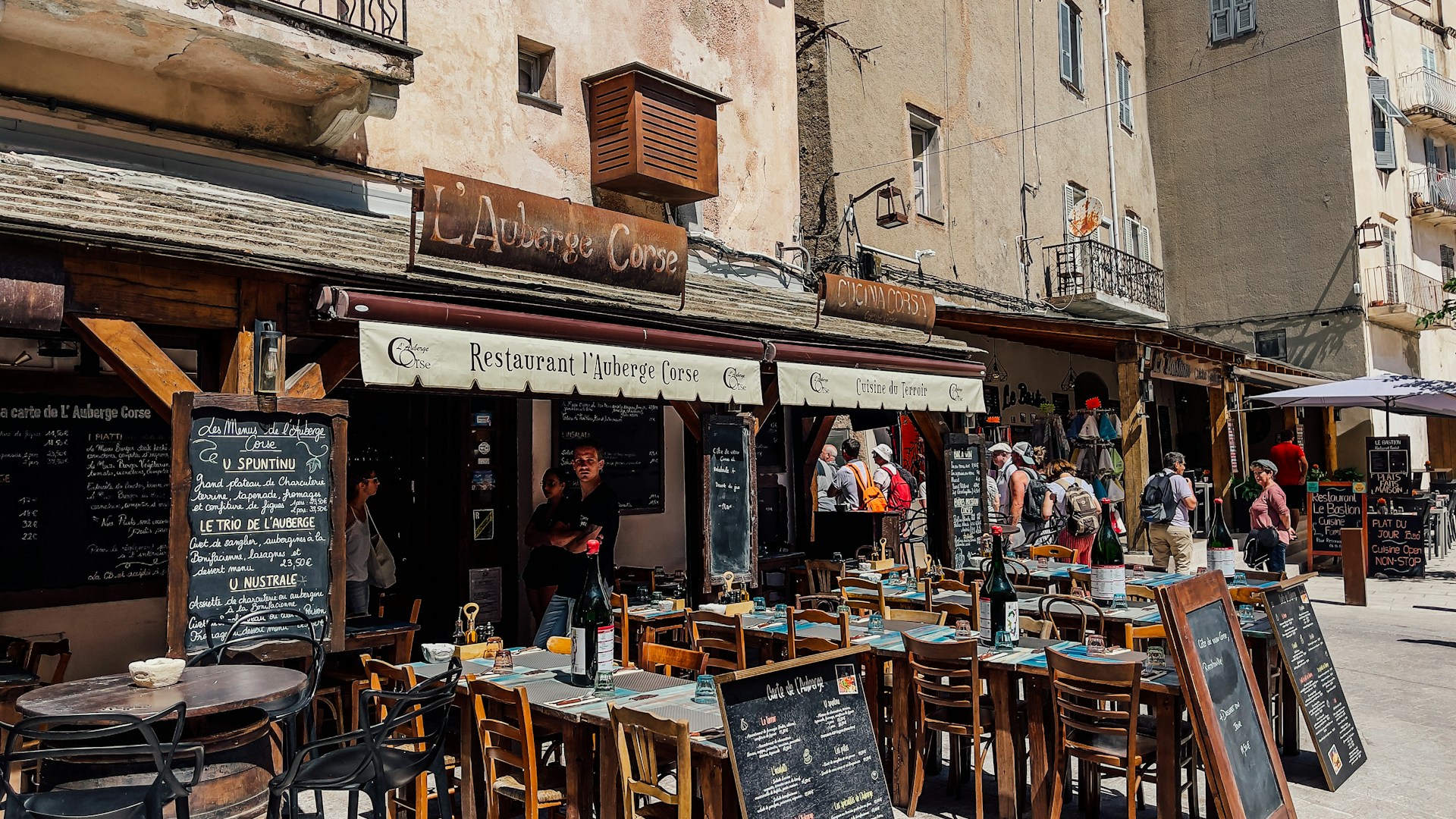
France’s restaurant sector is experiencing a deepening downturn as an average of about 25 establishments a day close across the country, signalling a sharp contraction in one of the nation’s most iconic business sectors. Observers say the pattern underscores mounting commercial strain on independent dining enterprises that have historically underpinned France’s urban economies and culinary reputation. The wave of closures reflects structural shifts in demand rather than transient volatility, with operators citing persistent headwinds that undermine traditional models of service and profitability.
Restaurateurs point to the growing influence of food delivery platforms such as Uber Eats and similar services that have altered consumer behaviour, drawing spending away from conventional sit-down meals and into app-based alternatives with lower margins for individual businesses. This digital acceleration, combined with rising ingredient and energy costs, has compressed profit margins and tested the financial resilience of mid-range and family-owned restaurants that lack the scale or pricing power of larger competitors.
At the same time, changes in workplace and consumption patterns are eroding a once-reliable revenue stream. Restaurants in urban centres historically benefited from daytime traffic driven by office workers using luncheon vouchers, but recent reforms allowing vouchers to be redeemed in supermarkets rather than restaurants have diverted substantial spending out of the hospitality sector. Business owners say this shift has further reduced predictable footfall at peak trading intervals, complicating staffing, scheduling and revenue forecasting.
Labour shortages in kitchen and service roles add another layer of commercial risk, as operators struggle to recruit and retain trained staff amid broader sectoral competition for hospitality talent. Some larger and high-end destinations have maintained relative stability, but for many independents the combination of cost inflation, shifting customer preferences, and digital platform competition has been unsustainable.