
From Waste to Worth: The Circularity Approach
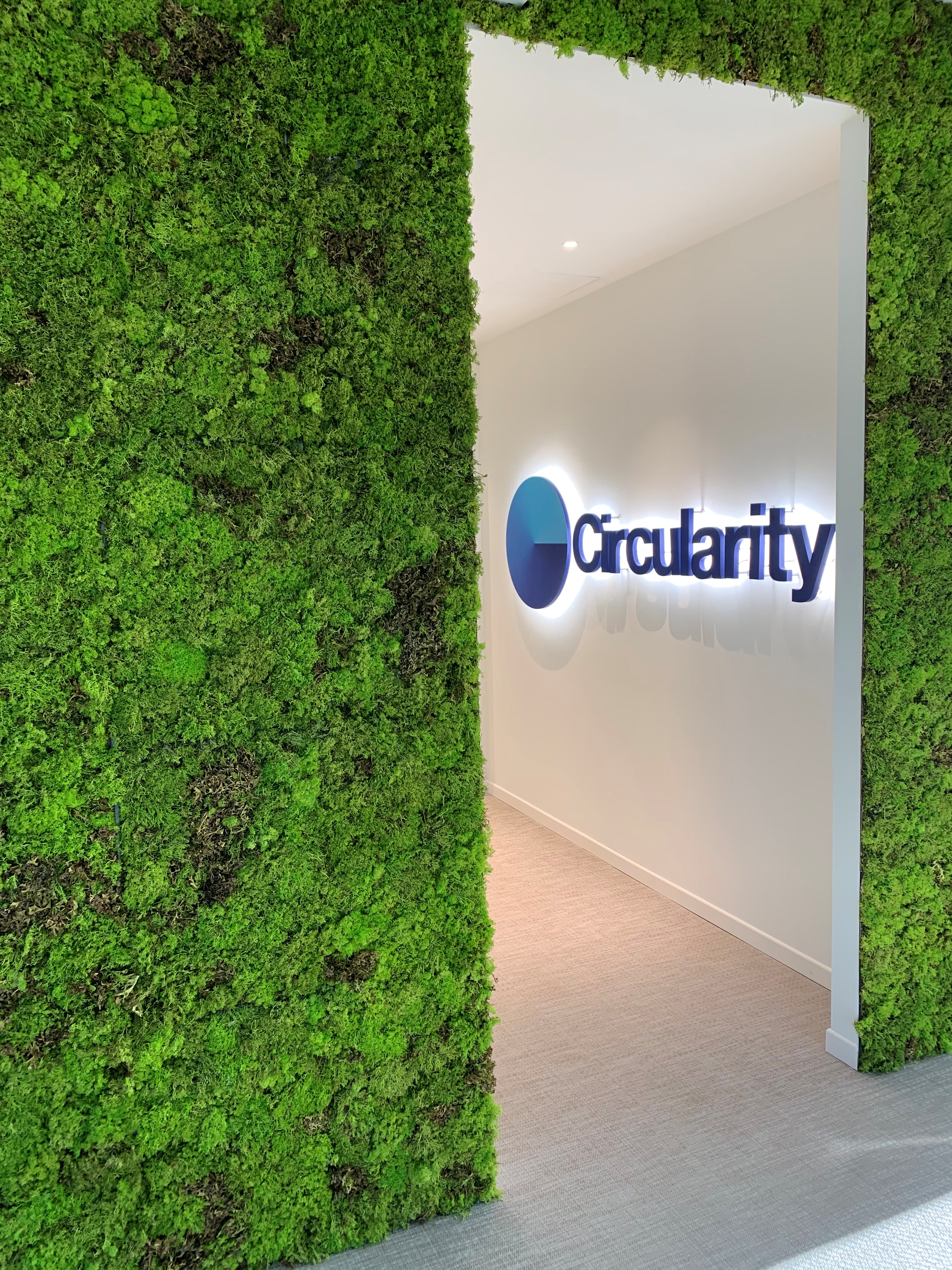
For many companies, sustainability has reached the point where good intentions no longer carry much weight on their own. A business may want to cut waste, improve reporting, meet new rules, or use resources more carefully, but the real test begins when those aims have to be measured, organised, and built into daily operations. That is where things often become difficult. Data sits in different teams. Materials leave the business without a clear second use. Claims need evidence. Progress needs a method.
Circularity S.r.l. takes its name from the part of sustainability that many companies are still trying to make practical: the movement of materials, information, and decisions back into useful flow. Headquartered in Milan and operating as a Benefit Corporation, the company helps organisations turn sustainability from a broad goal into a working process. Through consulting, proprietary measurement tools, training, and Italy’s first georeferenced circular economy platform for businesses, Circularity gives companies a clearer way to understand where they are, what they can change, and how progress can be shown with confidence.
From Intention to Action
For many businesses, the first challenge is knowing where to begin. Sustainability can touch almost every part of a company, from procurement and production to finance, legal, communications, and supply chain management. A reporting requirement may reveal gaps in data. A waste problem may point to an opportunity for reuse. A customer request may raise questions about emissions, materials, or supplier practices. What begins as one issue can quickly become a wider business exercise.
This is why a piecemeal approach often creates difficulty. A company may receive advice on reporting from one provider, carbon calculations from another, and waste management support from somewhere else. Each piece may be useful, but the business is still left to connect the information and decide what to do with it. That can make sustainability feel more complex than it needs to be.
Circularity works across several connected areas so that clients can bring these questions into one clearer process. Its consulting work includes sustainability strategy, ESG reporting, EU Taxonomy alignment, Life Cycle Assessment, carbon neutrality strategy, climate risk assessment, circular supply chain design, and sustainability communication. The value is not only in the number of services offered, but in the way they can be linked. A company can move from assessment to planning, from planning to action, and from action to clearer reporting without losing sight of the full picture.
Finding Value in Materials
One of the clearest parts of Circularity’s work is its focus on materials. In many companies, production waste is still treated mainly as a cost or disposal problem. Yet in a circular economy, the question changes. Instead of asking only how waste should be removed, companies begin asking whether that material can be used again, by whom, and under what conditions.
The Circularity Platform was created to support that shift. As Italy’s first georeferenced circular economy platform for companies, it connects different actors in the waste value chain, including producers, recoverers, processors, and end users. This gives companies a practical way to identify opportunities for waste valorisation, access secondary raw materials, and reintroduce resources into new production cycles.
That matters because circularity depends on visibility. A business cannot reuse or redirect materials if it does not know who can process them, who can use them, or where those opportunities exist. By creating a shared digital environment, Circularity helps make those connections easier to find and easier to act on.
This is where the company’s work becomes more concrete. Circular economy language can sometimes feel distant from day-to-day business decisions, but the underlying idea is simple: fewer useful materials should be wasted, and more resources should be kept in use for longer. Circularity gives companies a way to start working towards that goal with practical information rather than broad ambition alone.
Measuring What Changes
Once a company starts working on sustainability, it needs to understand whether progress is real. This is where measurement becomes important. Without reliable data, it is hard to set priorities, track improvement, meet reporting obligations, or communicate with stakeholders. It is also harder to avoid vague claims that may later be challenged.
Circularity has developed proprietary tools to support this part of the process, including the Circularity Assessment, Sustainability Assessment, and ESG Reporting Tool. These are designed to help companies measure, certify, and communicate their circularity and sustainability performance. For a business, this can provide a clearer starting point and a more reliable way to track change over time.
Measurement also helps make sustainability less abstract inside an organisation. When teams can see where the main impacts are, where improvements are possible, and how results are being recorded, the work becomes easier to understand. It can move from a general commitment to a set of decisions, targets, and actions.
This is particularly important as companies respond to the European Green Deal, the Corporate Sustainability Reporting Directive, the EU Taxonomy, and wider ESG disclosure requirements. Regulation is making sustainability more formal, but the real challenge for many companies is still practical. They need to gather the right information, understand what it means, and use it to make better decisions.
Building Knowledge Across the Business
Sustainability cannot sit with one person or one department forever. If a company wants to change how it manages resources, reports impact, or works with suppliers, more people need to understand the process. That is why Circularity’s training and education services are a useful part of its wider model. Through online courses, video content, and circular economy manuals, the company helps businesses build knowledge internally.
Circularity’s own team reflects the same practical mix. It brings together material and environmental engineers, sustainability and CSR specialists, chemists, communications professionals, and marketers. This range matters because sustainability work often needs both technical knowledge and clear communication. A company may need to calculate impact, understand materials, prepare reporting, meet regulatory expectations, and explain progress to stakeholders. These tasks are connected, even when they require different skills.
The company’s client portfolio, which spans sectors including pharma, food and beverage, packaging, manufacturing, and services, also shows why this flexibility matters. Different industries face different pressures, but many are trying to answer similar questions: how to reduce impact, how to use resources better, how to prove progress, and how to make sustainability part of everyday business rather than a separate exercise.
For companies at the beginning of that journey, the work does not need to start with perfection. It starts with a clear view of the current position, honest measurement, and practical next steps. Circularity’s role is to help make that path more manageable. In a field that can often feel crowded with terminology, its value lies in making sustainability easier to understand, easier to measure, and easier to put into practice.