
Hormuz Shock Pushes Small Firms Aside
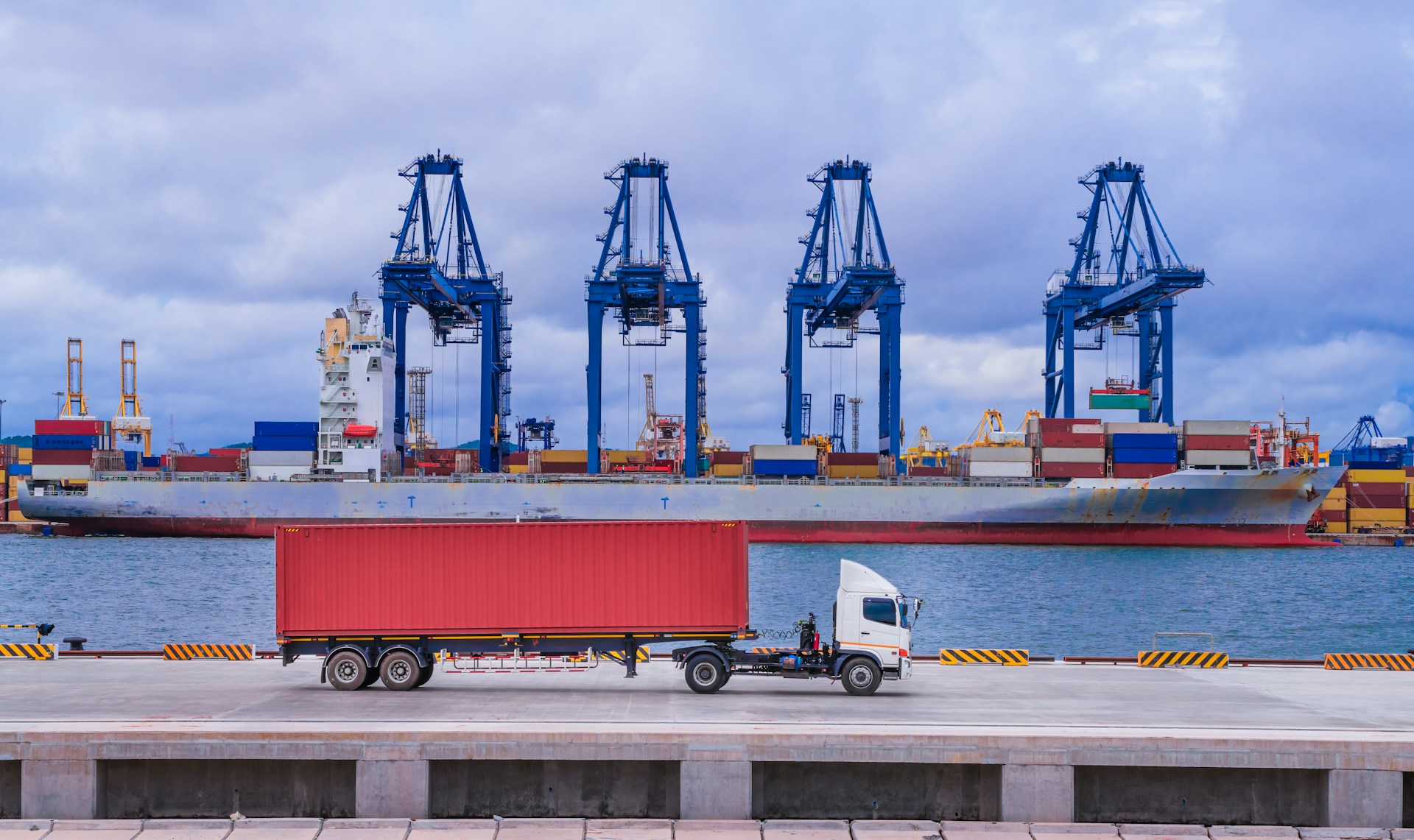
Disruptions in the Strait of Hormuz are hitting small businesses hardest, raising fears that smaller firms could be pushed out of global supply chains as energy, freight, insurance and financing costs rise. The UN Conference on Trade and Development warned that the pressure could weaken trade resilience and increase economic concentration.
The warning matters because SMEs sit at the centre of the global economy. They account for about 90% of businesses, 70% of employment and half of world GDP, meaning disruption to smaller firms can quickly spread beyond shipping lanes and into jobs, production and consumer prices.
The pressure follows renewed fighting in the Gulf after a calmer August. Oil prices have climbed again, with Brent crude moving above $99 a barrel, while shipping through the Strait of Hormuz remains constrained. Houthi attacks on south-western Saudi Arabia have added further risk to Middle East energy supplies.
Large companies are better placed to absorb the shock. They can diversify suppliers, shift markets, access finance and negotiate logistics costs more easily. Smaller firms often lack that flexibility, leaving them more exposed when global transport and energy markets tighten.
UNCTAD called this an “SME exclusion effect”, where smaller businesses may scale back production, delay investment or exit value chains altogether, even if trade volumes later recover. That is the deeper business risk. Hormuz is not only a geopolitical choke point; it is becoming a test of whether global supply chains can protect the smaller companies that keep them broad, competitive and resilient.