
M&S Reshapes Supply Chain to Fuel Online Surge
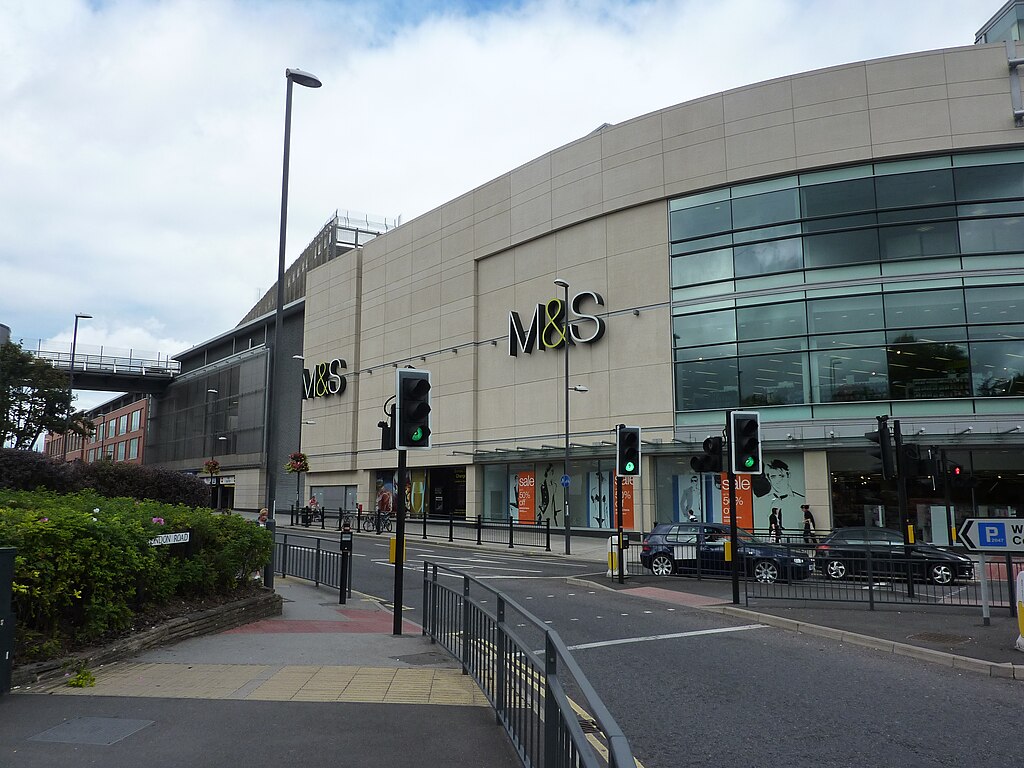
Marks & Spencer (M&S) is undertaking a comprehensive overhaul of its fashion, home and beauty (FH&B) supply chain as part of an ambitious effort to double online non-food sales to nearly £3 billion. The move, announced under new FH&B managing director John Lyttle, reflects a clear strategic shift from high-street tradition towards digital-first retail.
M&S plans to raise the online share of FH&B revenue from about 34 per cent to 50 per cent by strengthening longer-term supplier partnerships in Asia and Europe, simplifying manufacturing footprints and investing £120 million in automation over three years. Additionally, the company aims to allocate up to £250 million in technology and logistics upgrades at its major warehouses in Castle Donington and Bradford. These investments come in the wake of a cyberattack in April 2025 that disrupted online operations and reportedly cost around £300 million in lost operating profits.
For business leaders and small-to-medium enterprises (SMEs), the implications are two-fold. First, the transformation emphasises that growth in retail today is inseparable from supply-chain agility and digital fulfilment; suppliers and service-providers aligned to this vision may find elevated opportunity. Second, it signals elevated expectations around cost discipline, operational scalability and technology integration - prerequisites for participation in the new retail architecture. The strategy suggests that scale alone no longer guarantees resilience; adaptability does.
What emerges is a recalibration of retail fundamentals: M&S isn’t simply aiming to sell more online but to operate differently. Its step-change in investment underscores the idea that a legacy brand’s future rests as much on logistics, data and automation as on fashion appeal. In an era where customer-expectation, speed and cost control converge, the winners will be those who view the supply chain as a growth engine rather than a cost centre.