
Soil Carbon Trading: A New Income Stream for Farmers
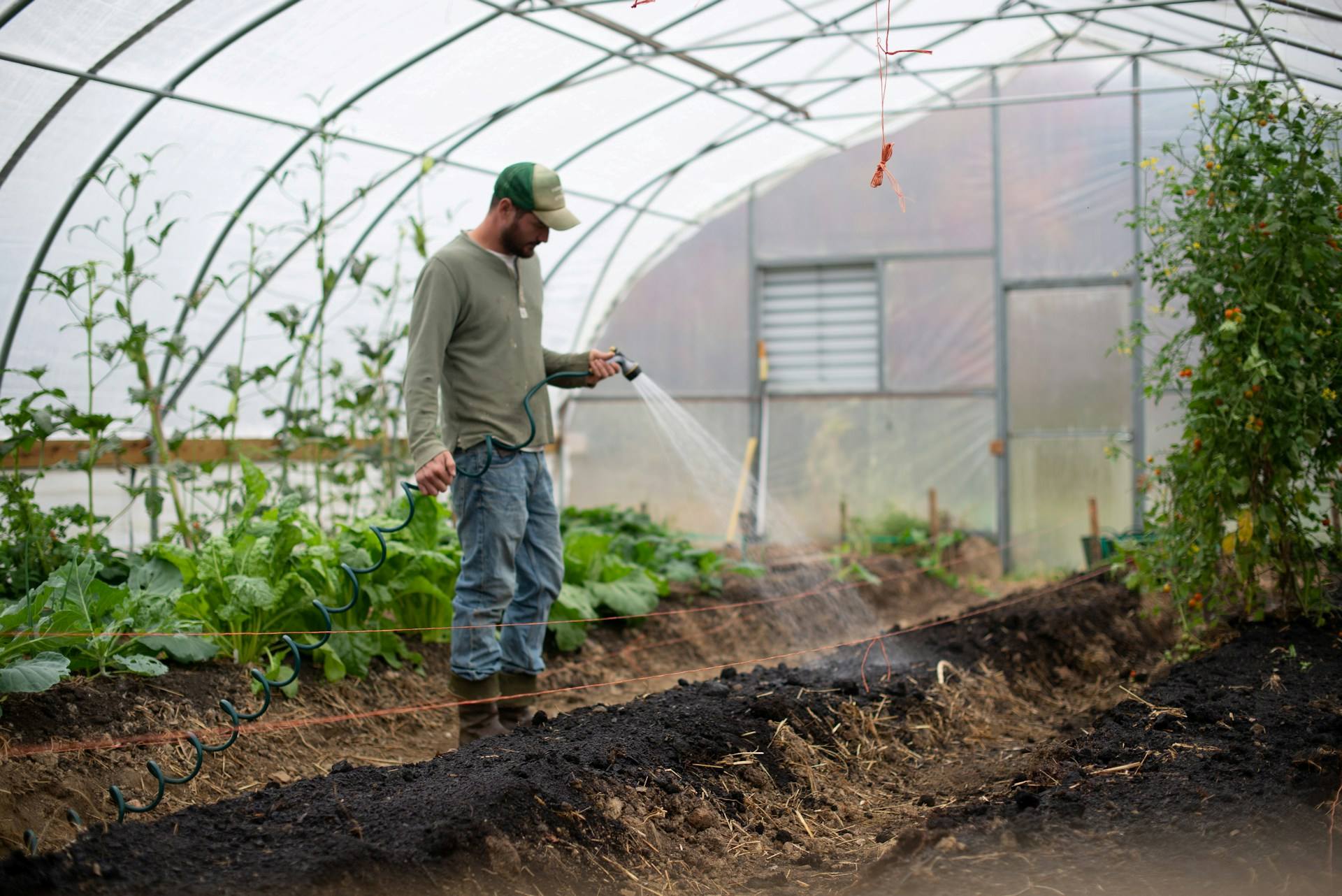
As we approach mid-2025, soil carbon trading is gaining traction as an innovative solution to both climate challenges and farm profitability. In 2024, the UK saw a rise in regenerative farming practices, where methods like reduced tillage and cover cropping not only improve soil health but also sequester carbon. These practices are enabling farmers to tap into the growing carbon market, opening new income streams through the sale of carbon credits.
Startups like Agreena are at the forefront of helping farmers measure, verify, and sell carbon credits. The voluntary carbon market, valued at over $100 million, is set to expand into a multi-billion-dollar industry by the 2030s. For example, Thomas Gent, a Cambridgeshire farmer, has refrained from ploughing his fields for 17 years, opting for regenerative techniques that enhance soil structure and water retention, while also providing him with an additional source of income.
However, the rapid growth of soil carbon trading brings challenges. Experts, including the British Society of Soil Science, have raised concerns about the accuracy of data used to estimate soil carbon storage. These uncertainties could impact the credibility of carbon credits and the long-term sustainability of the market.
Despite these hurdles, momentum behind soil carbon trading continues to grow. Farmers are increasingly recognising the dual benefits of regenerative farming—not only for contributing to climate change mitigation but also for securing additional revenue streams. As the market matures, addressing scientific concerns and creating robust verification systems will be crucial to maintaining the credibility and effectiveness of the carbon credit system.
Looking forward, soil carbon trading has the potential to be a key component of sustainable agriculture, contributing to climate goals while supporting farm profitability. Collaboration between farmers, scientists, and policymakers will be essential in ensuring the market's integrity and long-term success.