
UK Retail Sales Exceed Expectations Amid Cautious Consumer Spending
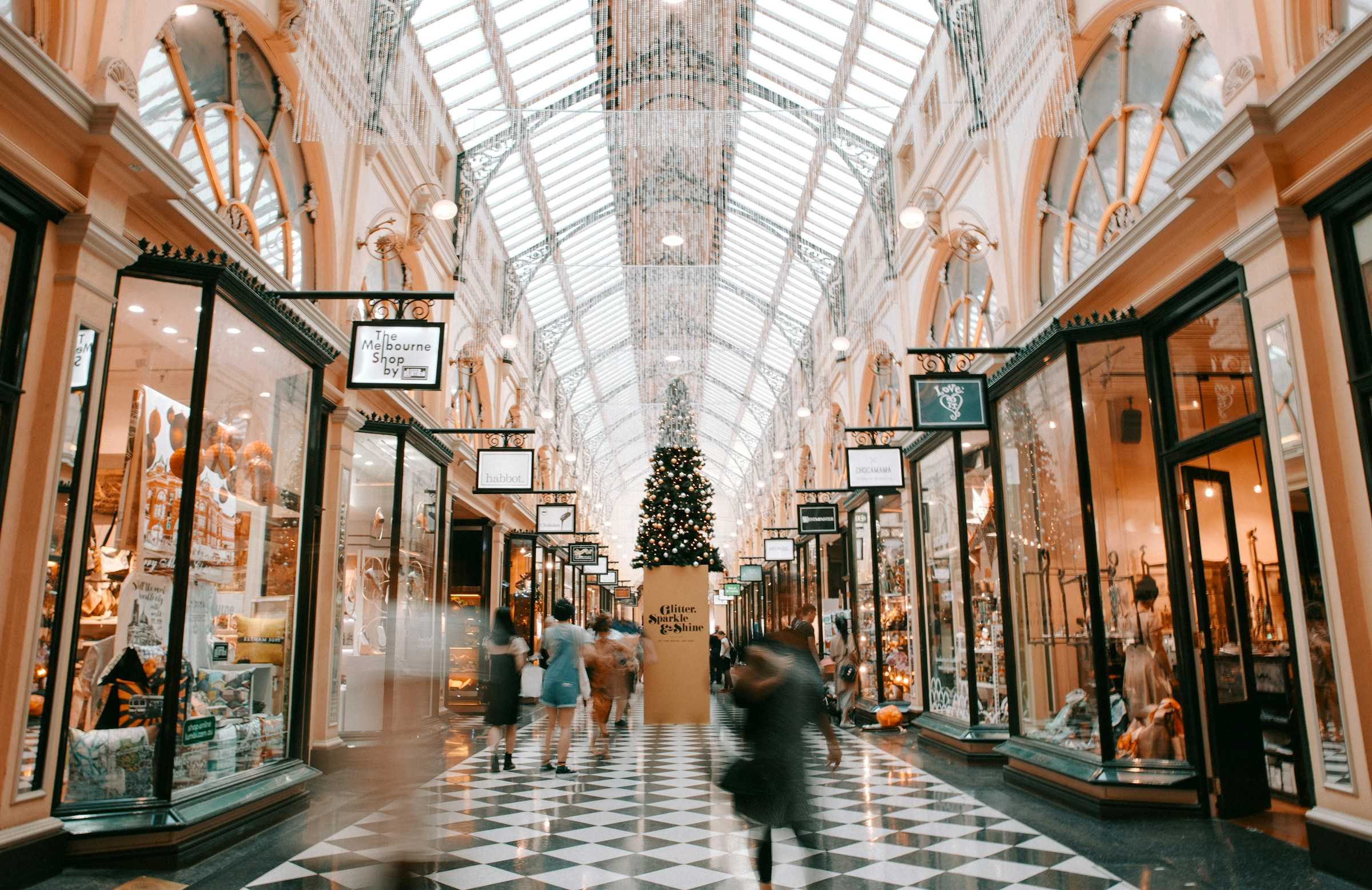
UK retail sales saw a stronger-than-expected performance in January, driven largely by increased food purchases as consumers continued to eat at home. The volume of goods sold both online and in physical stores rose by 1.7% in January, following a revised 0.6% decline during the festive season in December. This marked the largest monthly increase since May 2024 and significantly outpaced economists’ expectations of a 0.5% gain.
The rise was largely attributed to a sharp increase in food sales, which were the strongest since the early days of the pandemic in March 2020. Specialist stores such as butchers, bakers, and supermarkets, along with alcohol and tobacco retailers, saw robust demand as many households opted to prepare meals at home in the face of economic uncertainty.
The uptick in retail sales provides a potential boost for the Labour government, helping to counter the narrative of economic stagnation. However, despite the positive figures, the data indicates that consumers remain cautious as they continue to face rising living costs and the threat of future economic disruptions. Chancellor of the Exchequer Rachel Reeves has pledged to drive economic growth following her first budget in October, which raised payroll taxes amid warnings from employers about potential job cuts.
Despite the monthly increase, sector-specific data shows that consumers are still hesitant to spend on non-essential goods. Sales in clothing and household goods stores were notably weaker, reflecting a broader trend of weak consumer confidence. According to Hannah Finselbach, Senior Statistician at the Office for National Statistics (ONS), “retailers in these sectors have reported lacklustre sales due to the ongoing uncertainty.”
The overall retail sales figure for the three-month period remains down by 0.6%, and sales are still below pre-COVID-19 levels. This underscores the ongoing challenges facing the UK retail sector as it grapples with a cost-of-living crisis, including rising food and energy bills. Additionally, concerns over a potential trade war, particularly amid rising tariff threats from US President Donald Trump, are adding to the economic unease.
While some retailers reported a boost in sales, particularly from discounted furniture and home accessories, the broader outlook for the retail sector remains cautious. Major retailers such as Primark-owner Associated British Foods and fashion retailer Next have warned of a slowdown in sales this year, citing weak consumer sentiment and rising operational costs. The UK’s largest retailers have also expressed concerns about the impact of increased employment taxes and minimum wage hikes, with some suggesting that price hikes may be necessary to offset these additional pressures.
In the face of these challenges, economists have cautioned that while long-term growth measures introduced by the government may eventually yield positive results, more immediate boosts to demand are unlikely. The overall retail sector's performance continues to remain a key indicator of the broader economic climate, with any improvements in consumer spending likely to be gradual.