
Vibe Coding Becomes the New Entrepreneur’s Toolkit
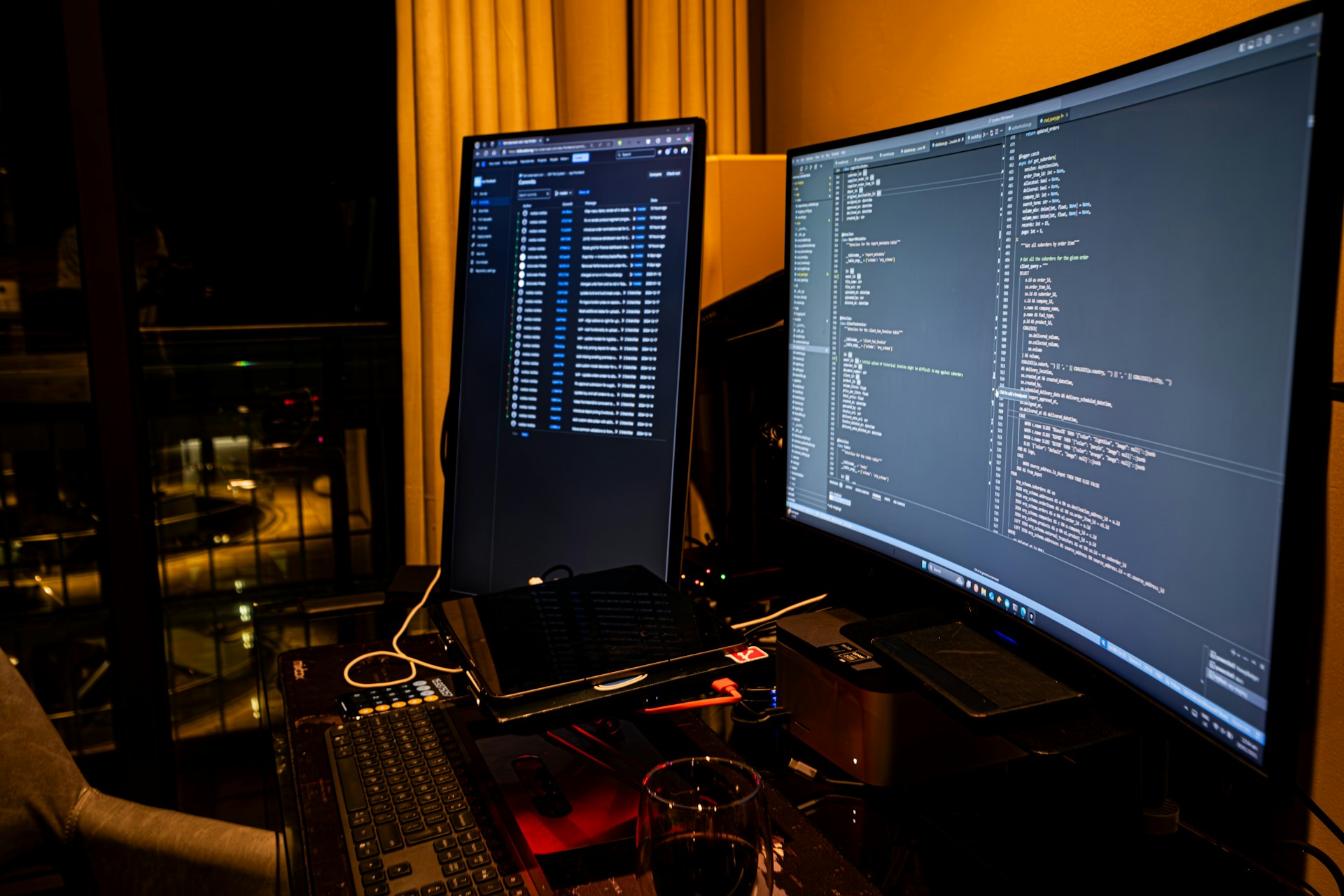
A quiet revolution is unfolding in how small businesses are built. Once reliant on expensive developers and complex software, entrepreneurs are now using “vibe coding” - the intuitive use of AI tools that translate natural language prompts into code - to create products, automate workflows, and test ideas at lightning speed. What began as a niche skill has become a core entrepreneurial advantage.
At its heart, vibe coding democratises innovation. Founders without a technical background can now bring digital ideas to life with unprecedented agility. Tasks that previously required teams or months of planning can be executed in hours using platforms like Replit or Cursor. For micro-enterprises and solo founders, this shift means one thing: independence. It eliminates the old gatekeepers of tech and opens new creative frontiers for those with vision but limited capital.
Yet, with opportunity comes responsibility. The convenience of AI-assisted coding introduces risks - unstable codebases, data vulnerabilities, and overreliance on machine output. For small businesses scaling quickly, the danger lies not in building fast but in building fragile. Those who thrive will be the ones who pair innovation with discipline, embedding quality assurance and cybersecurity into their growth models from day one.
For investors, incubators, and digital service providers, this transformation signals the next frontier of SME enablement. Support systems must evolve to include AI governance training, compliance frameworks, and mentorship that emphasises sustainable development, not just rapid prototyping. The most successful ventures will be those that combine creativity with technical rigour - using AI not as a shortcut, but as a strategic multiplier.
Vibe coding is more than a trend; it’s a mindset. It reflects a new entrepreneurial culture - one that values accessibility, experimentation, and resilience. In this new era, code fluency is no longer the barrier to entry; clarity of vision is.